And How Small Brands Can Use It Without Being Cringe
Nostalgia season is upon us.
Not the Hallmark-card kind, the real stuff.
The kind that hits you in the throat when the first hot December wind rolls in, or when Mariah Carey defrosts and clocks back into capitalism.
Every year, like clockwork, brands attempt to bottle this feeling. Most fail. Some embarrass themselves. A precious few break through culture with the precision of a Michelin-star chef cutting through a pavlova.
The ones that get it right know that holiday nostalgia isn’t magic. It’s neuroscience wearing tinsel.
And if you understand the mechanics, you can wield it without slipping into cliché, cringe, or Christmas-tree-in-July energy.
Let’s go deeper.
Nostalgia Is a Time Machine Powered by Dopamine, Not Sentimentality
Holiday nostalgia gets dismissed as soft emotion, as if it’s just twinkly lights, cinnamon, and unpaid emotional labour. But psychologists will tell you it’s far more potent.
Nostalgia is an autobiographical memory recall that activates the brain’s reward system.
Translation: your brain literally rewards you for remembering the good old days.
The scent of coconut sunscreen? Neural trigger.
The hum of an overworked pedestal fan? Neural trigger.
The first mango of summer? Basically Proust’s Madeleine in Australian drag.
Brands that understand this don’t try to “tell a holiday story.”
They activate a memory already living inside the customer.
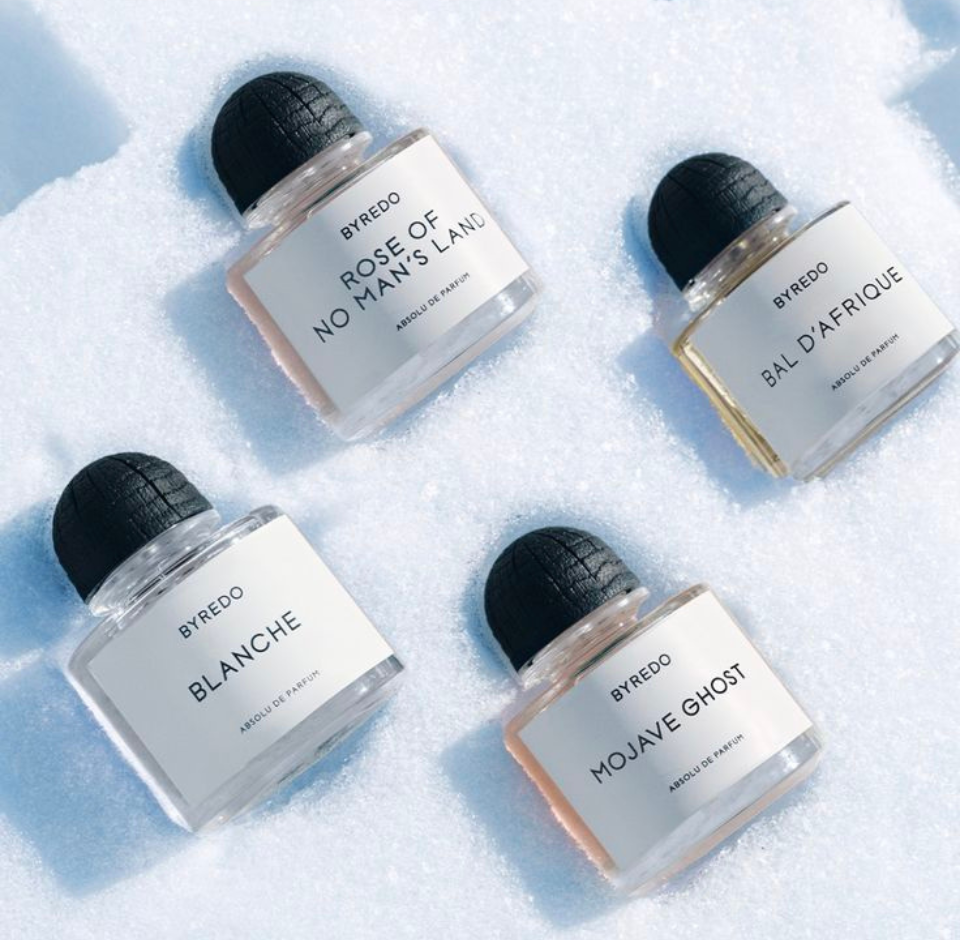
Le Labo does this with Santal 33, the fragrance equivalent of a collective memory; a scent so culturally imprinted it can transport you to a dozen different versions of your past life at once. Spotify Wrapped does it by turning your behaviour into a personalised time capsule, nostalgia engineered in data form.
(There’s also the most powerful trigger of all: the scent or flavour of whatever alcohol fuelled your first truly catastrophic night out: the one so seared into your neural pathways you still can’t drink it a decade later… That’s nostalgia in its purest, most unhinged form.)
The smartest brands don’t “chase Christmas cheer.”
They reignite a dormant neural loop.
The Cringe Problem: Why Most Brands Fail at Holiday Messaging
Cringe happens when a brand tries too hard to be sentimental before earning the right to be sentimental.
Cringe is:
- syrupy captions
- faux-heartfelt emails
- the kind of manufactured cosiness that feels like being hugged by someone you don’t trust
- copy that sounds like it was written by a marketing intern who watched Love Actually once and built a personality around it
Cringe often appears when a brand projects a generic cultural script instead of their own brand world.
This is why Prada can release a holiday campaign soaked in restrained, memory-coded beauty and it feels transcendent, while a mid-tier beauty brand posts “’Tis the season ✨” and we all die a little bit inside.
If you want nostalgia to hit, it has to feel personal.
The Only Psychology Rule That Matters: Make It About Them, Not You
Consumers don’t want your holiday story.
They want to feel the echo of their own.
So instead of pushing “Here’s what the holidays mean to us,” try:
- “Remember the first time…”
- “You know that feeling when…”
- “It’s officially the season of…”
- “The sound of summer is…”
These are legitimate keys to unlocking neural memory vaults.
Nostalgia lands when you create an entry point to relive the experience, not an explanation.
What Small Brands Can Learn from the Big Ones
Continue reading on our Substack, Public Opinion.